
STM32F103C8T6 ARM STM32 Minimum System Development Board Module Microcontroller Core Board with 72MHz Cortex-M3 CPU, 64K Flash, 20K SRAM, SWD Debug, Mini USB


STM32F103C8T6 ARM STM32 Minimum System Development Board Module Microcontroller Core Board with 72MHz Cortex-M3 CPU, 64K Flash, 20K SRAM, SWD Debug, Mini USB
STM32F103C8T6 Minimum System Board with ARM Cortex-M3 72MHz CPU and SWD Debug
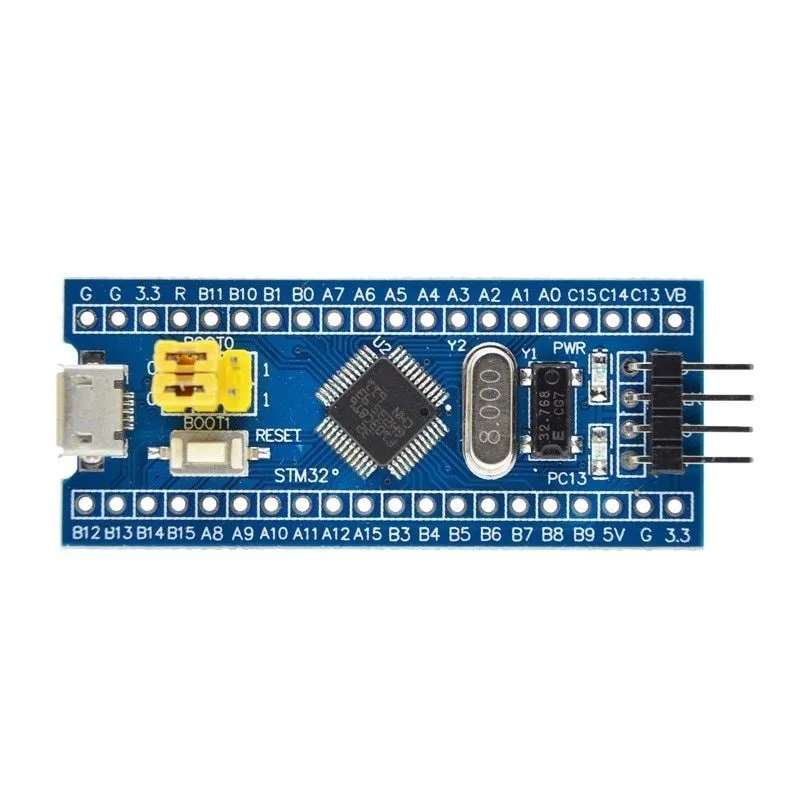
This STM32F103C8T6 minimum system development board is a compact and practical core module for engineers and hobbyists working on ARM-based embedded projects. Featuring an ARM 32-bit Cortex-M3 CPU running at 72MHz, it provides reliable processing for a wide range of microcontroller applications. The board includes 64K bytes of flash memory and 20K bytes of SRAM, along with an SWD debug interface for straightforward programming and debugging. Its small footprint of 5.3cm by 2.2cm makes it easy to integrate into breadboard prototypes or custom circuits.
Features and Construction
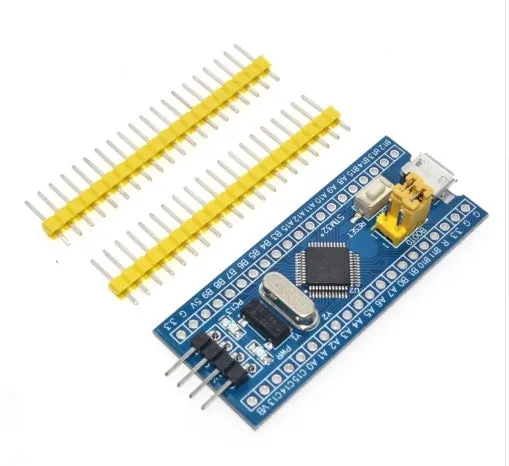
This development board is built around the STM32F103C8T6 microcontroller and includes essential support components for immediate use. The board design prioritises ease of connection and debugging for efficient workflow.
Microcontroller and CPU
The core of the board is the STM32F103C8T6 chip, which features an ARM 32-bit Cortex-M3 processor. It operates at a maximum frequency of 72MHz, offering sufficient performance for control, sensor, and communication tasks. The chip includes 64K bytes of flash for program storage and 20K bytes of SRAM for runtime data handling.
Debug and Programming Interface
On-board debugging is provided through the SWD (Serial Wire Debug) interface, which requires only two wires for programming and debugging. This reduces pin usage and simplifies connection to most ARM debug probes, supporting rapid firmware development and testing cycles.
Size and Practical Fit
The board measures just 5.3cm x 2.2cm, making it suitable for space-constrained enclosures or breadboard-based prototyping. Its compact layout includes all essential pins broken out for easy access, and the Mini USB port provides both power and USB communication without needing an external adapter.
Uses and Placement
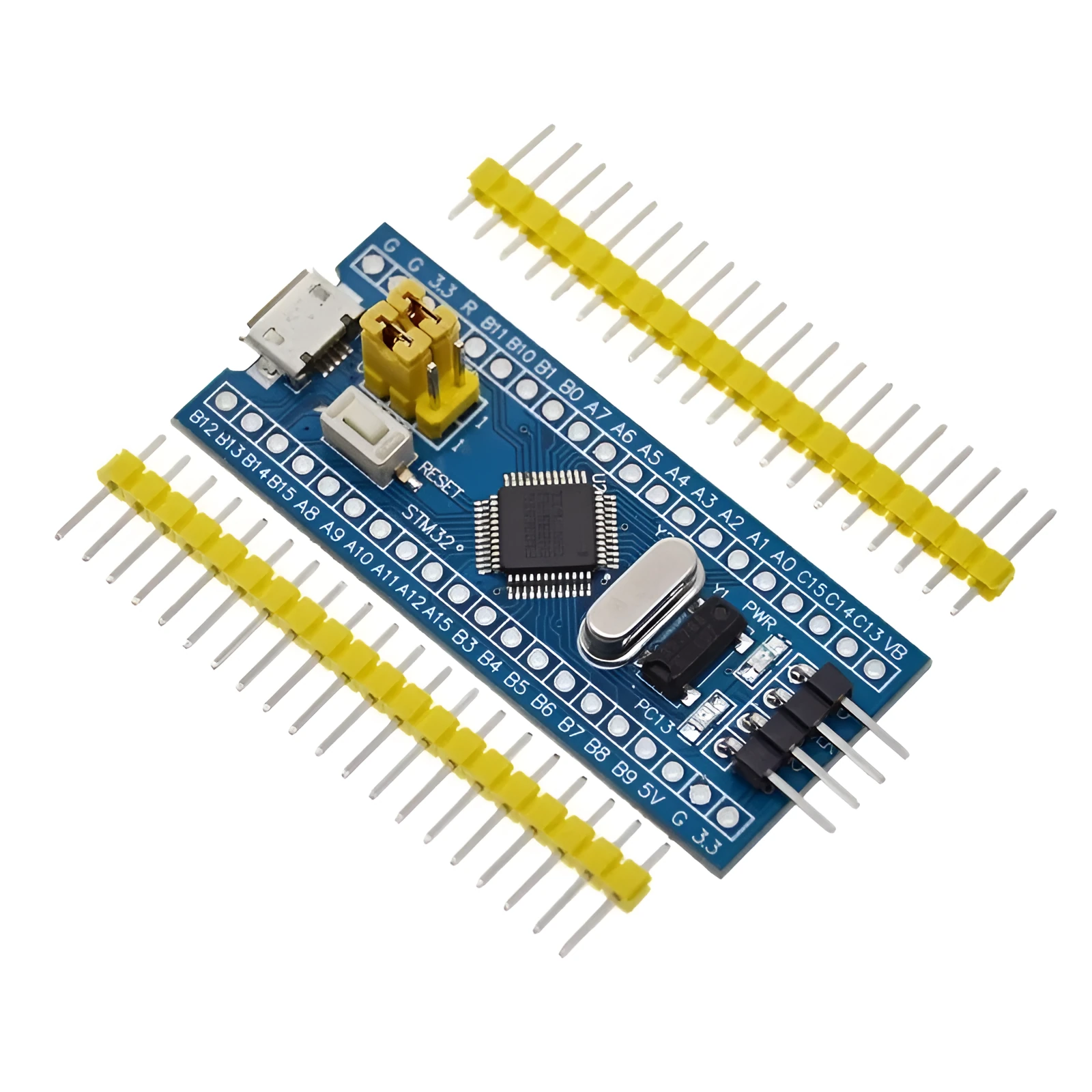
This minimum system board is designed for a variety of embedded development contexts, from initial prototyping to final integration in custom electronic projects. Its standard pinout and debug support make it a flexible choice for many ARM Cortex-M3 applications.
Embedded Development and Prototyping
Engineers and students can use this board to quickly evaluate the STM32F103C8T6 microcontroller for projects involving sensor readout, motor control, data logging, or communication protocols. The on-board USB and SWD interface reduce the number of external components needed for a working test platform.
Education and Training
For learning ARM Cortex-M3 programming, this board provides a simple, low-cost entry point. The SWD debugging capability allows beginners to step through code and understand real-time operation, while the compact size fits easily on a desk or in a training kit.
Integration into Custom Designs
The board's small dimensions and standard 2.54mm pin headers allow it to be mounted onto larger PCBs or plugged into breadboards. It can serve as the core processing module in custom prototypes for automation, IoT devices, or robotics, without requiring surface-mount soldering of the microcontroller.
Benefits and Buying Value
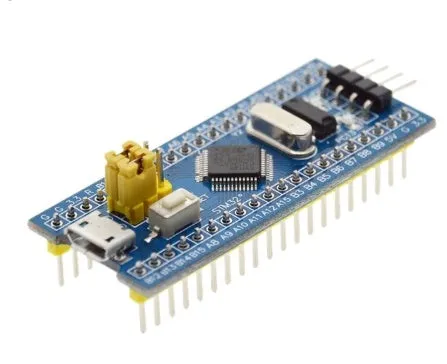
This development board streamlines the setup process for ARM-based projects by including essential peripherals such as the USB interface and crystal oscillator. Its straightforward usability and debug support help reduce development time, making it a practical choice for both professionals and learners.
Reuse and Low Maintenance
The board can be reused across multiple projects by simply erasing and rewriting the flash memory via the SWD interface. No special maintenance is required other than handling the board with standard ESD precautions and keeping the USB port clean.
Why Choose This Product
With a 72MHz Cortex-M3 CPU, 64K flash, 20K SRAM, SWD debug, and Mini USB connectivity all integrated on a 5.3cm x 2.2cm board, this module offers a balanced set of features for embedded development. Its support for 2.0-3.6V supply voltage and 4-16MHz crystal ensures flexible integration into existing circuits.