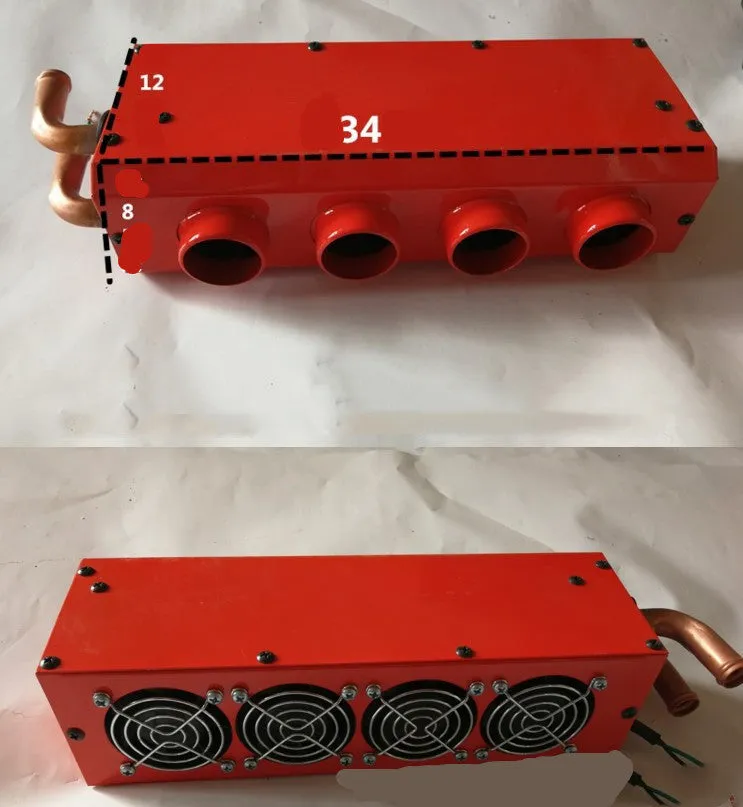
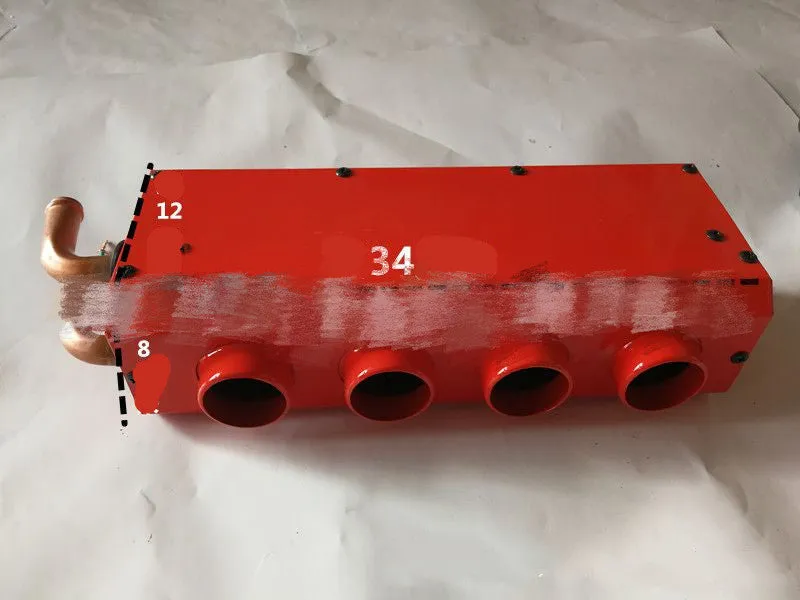
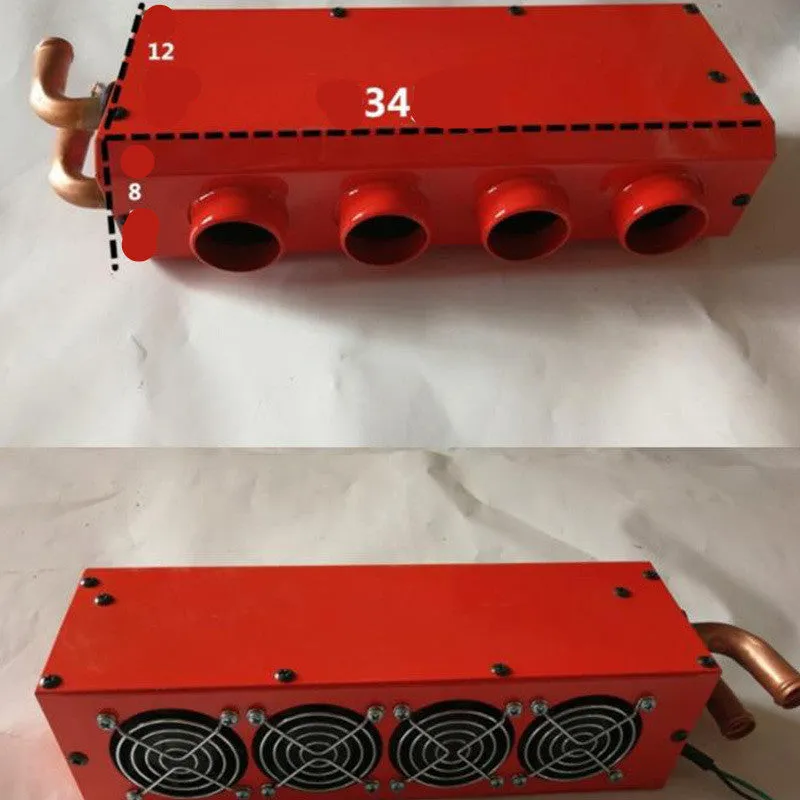
Car heater with long small four-hole copper pipe and manual control for 12V or 24V vehicle heating systems, using engine waste heat as a warm and cold air source with a 60W power rating and dimensions of 34x12x8 cm.


Car heater with long small four-hole copper pipe and manual control for 12V or 24V vehicle heating systems, using engine waste heat as a warm and cold air source with a 60W power rating and dimensions of 34x12x8 cm.
Auxiliary Car Heater with Copper Pipe for 12V or 24V Systems Using Engine Waste Heat
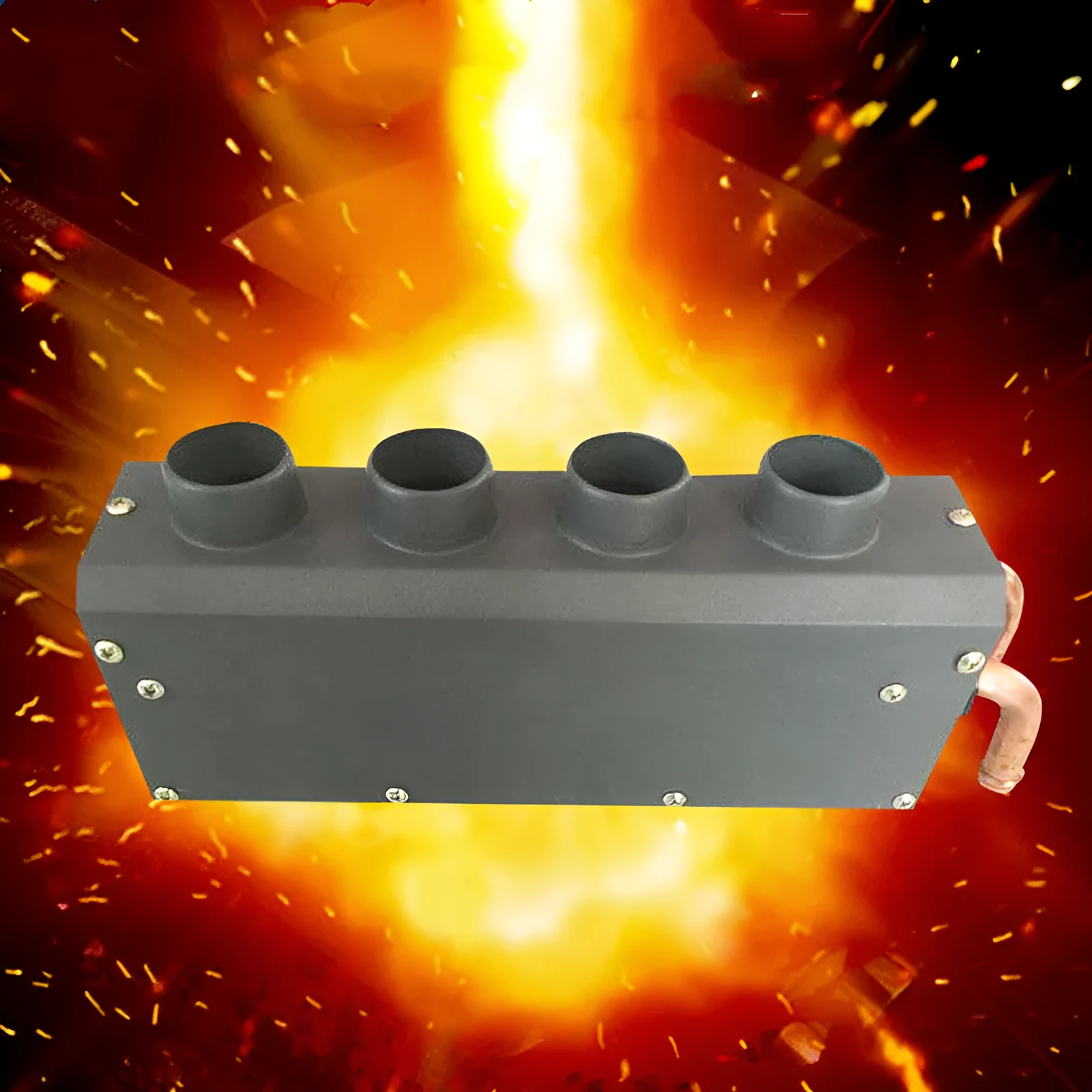
This auxiliary car heater is designed to supplement your vehicle's climate control by tapping into an existing energy source: the engine's waste heat. It provides a practical solution for adding warmth to the cabin during colder months without relying solely on the primary heating system. The unit operates by circulating the engine's hot coolant through a network of copper pipes, transferring that heat via a blower to warm the interior air. Its manual control puts you in charge of the heating level, while its compact metal build is engineered for integration into your vehicle's 12V or 24V electrical and cooling systems.
Features and Construction
This heater is built around a simple yet effective principle, converting wasted thermal energy into usable cabin comfort. Its design prioritises a direct connection to your vehicle's vital systems for consistent performance.
Material and Build
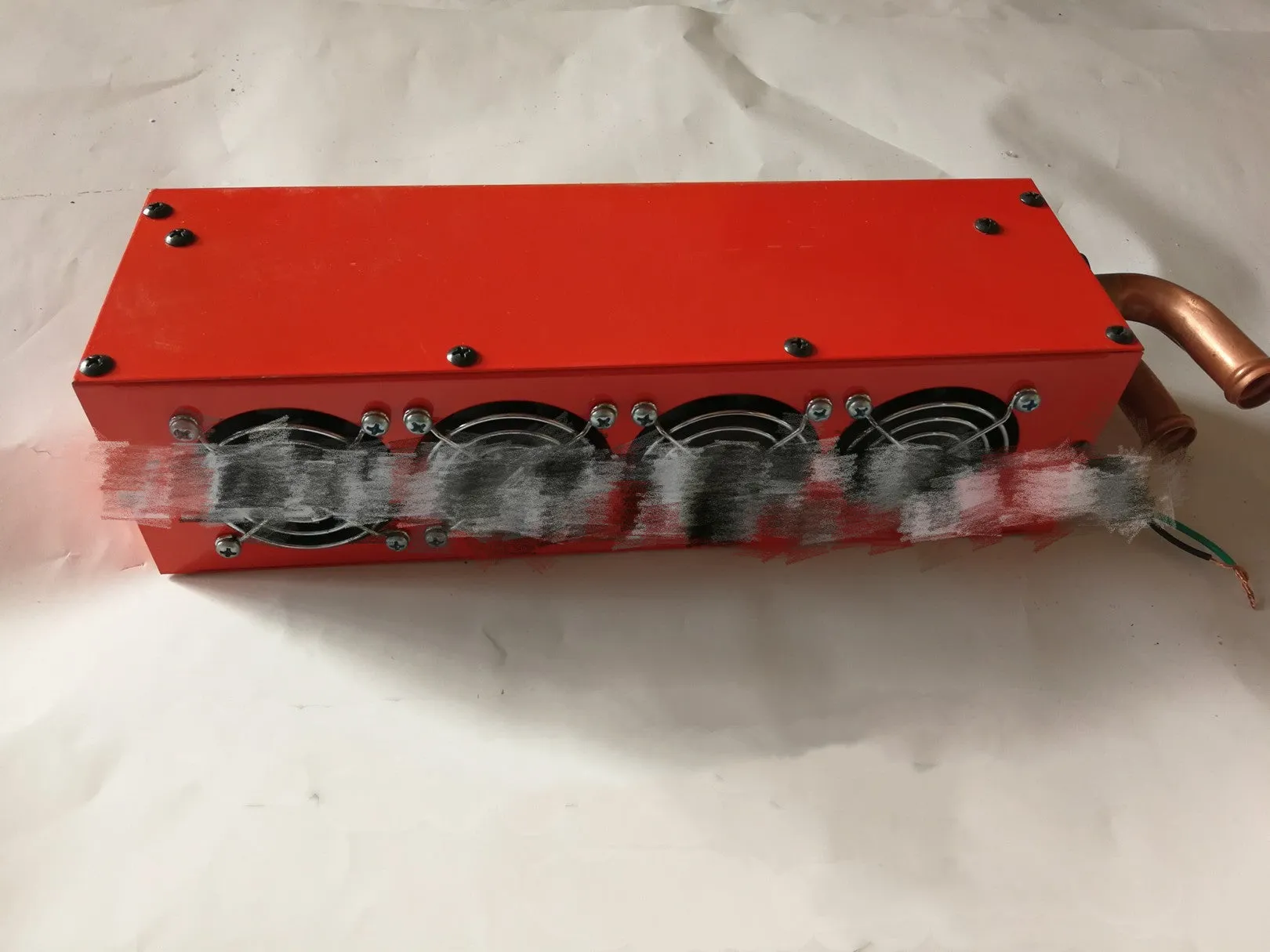
The heater's core construction utilises metal for the main housing, providing a robust enclosure for the internal components. Heat transfer is handled by a specifically configured long, small four-hole copper pipe. Copper is chosen for its excellent thermal conductivity, efficiently moving heat from the engine's coolant into the air stream generated by the unit's DC motor-driven blower. This blower is responsible for delivering the warmed air into the passenger compartment.
Size and Practical Fit
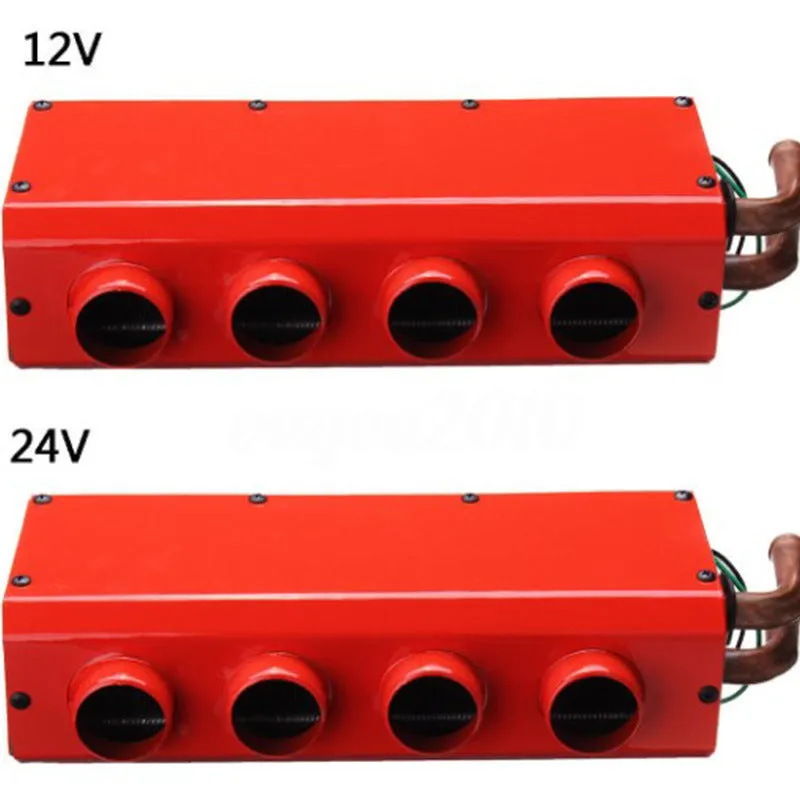
With overall dimensions of 34 cm in length, 12 cm in width, and 8 cm in height, the heater presents a compact form factor designed to be installed within the vehicle's engine bay or cabin space. This size facilitates its integration alongside existing components. The unit's electrical requirements are matched to standard automotive systems, operating on either 12V or 24V DC, drawing a current of 5A, which corresponds to a power consumption of 60W. Two water pipe joints on the heater's tank connect it to the vehicle's cooling circuit.
Uses and Placement
This product serves a specific function within a vehicle's ecosystem, enhancing comfort and visibility. It is suited for vehicles where additional or more reliable heating is desired.
Event or Professional Use
For professional drivers, commercial vehicles, or vehicles used in consistently cold climates, this auxiliary heater can provide a crucial backup or enhancement to the standard heating system. By ensuring a continuous supply of warm air as long as the engine is running—thanks to its lack of a thermostat and direct tie to the engine's cooling 'small cycle'—it can maintain cabin temperature more steadily. This can be particularly valuable for passenger comfort in taxis, delivery vans, or campers.
Everyday Home Use
For the everyday motorist, this heater offers a way to achieve faster cabin warm-up and more effective demisting. Once installed, it utilises heat that would otherwise be dissipated through the main radiator, making it an energy-efficient addition. The manual adjustment allows drivers to tailor the heat output to their immediate needs, whether requiring a gentle warmth or rapid defrosting of the windscreen, which the blower directly assists with.
Benefits and Buying Value
The value of this car heater lies in its practical application of existing resources and its focused functionality. It provides a targeted solution for improved in-vehicle climate control.
Reuse and Low Maintenance
The primary benefit is the reuse of engine waste heat, turning a by-product into a utility. Once professionally installed and the system is correctly filled with antifreeze and bled of air, the heater requires minimal ongoing maintenance as it becomes part of the sealed cooling circuit. Its operation is passive once connected, relying on the engine's normal function.
Why Choose This Product
You would choose this product if you seek a dedicated auxiliary heating source that integrates with your vehicle's core systems rather than operating independently. It is suitable for those needing reliable supplemental heat without the complexity of a fuel-burning parking heater. The key consideration is the necessity of professional installation, as the process involves modifying coolant hoses, adding three-way connectors, handling electrical connections, and correctly priming the system—steps where improper technique can lead to operational issues.