Camera Detector with Long Standby Infrared Optical Detection for 5 Metre Range Easy Remote Inspection Camera Finding Security Device S600


Camera Detector with Long Standby Infrared Optical Detection for 5 Metre Range Easy Remote Inspection Camera Finding Security Device S600
S600 Infrared Camera Detector with 5 Metre Range for Remote Inspection
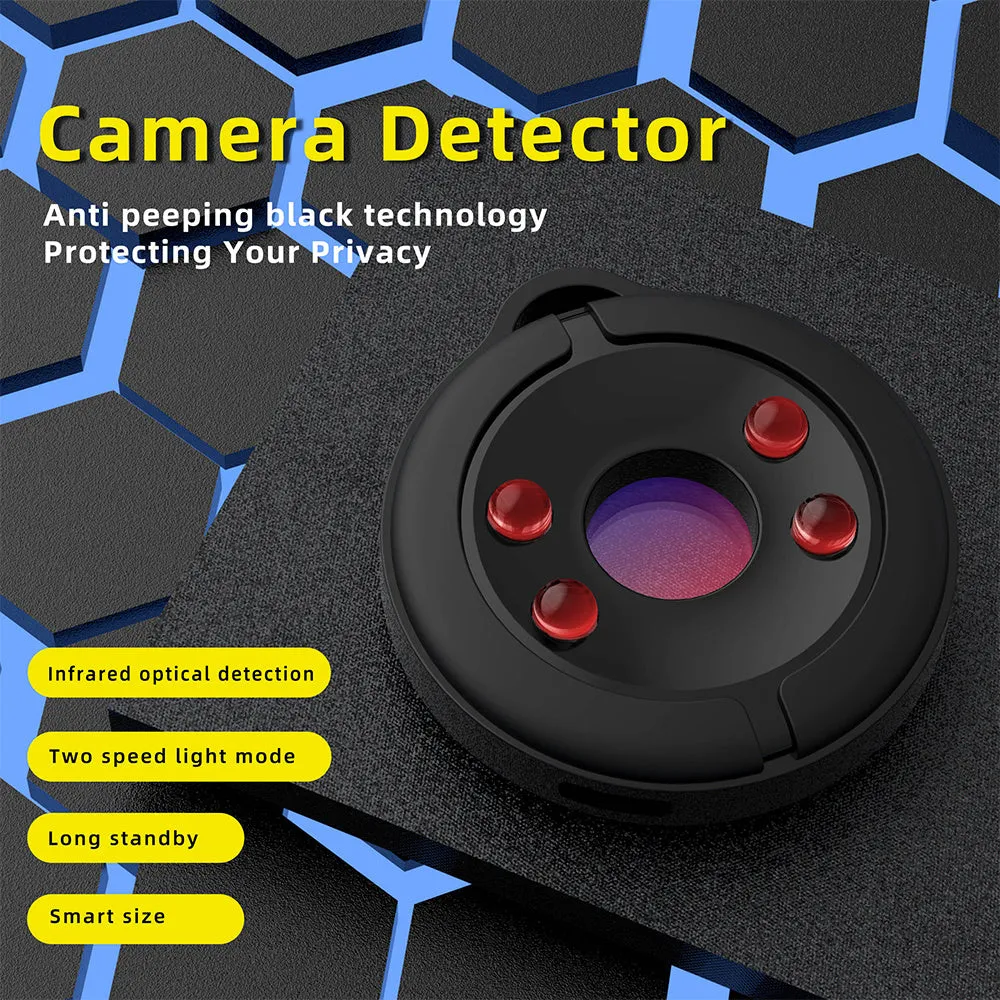
Privacy protection starts with awareness, and this camera detector provides a tangible tool for that purpose. Designed to locate hidden surveillance cameras, it employs infrared optical detection technology to identify the reflective lenses of cameras, even in dark environments. Its key stated capability is a 5-metre detection distance, allowing users to scan rooms or areas remotely without needing immediate close proximity. The unit is described as having a compact, minimalist form factor, making it highly portable for use in various locations such as hotel rooms, changing areas, or private offices. Operation is centred on user-friendliness, with activation via a single long-press, requiring no complex setup or technical expertise to begin a scan.
Features and Construction
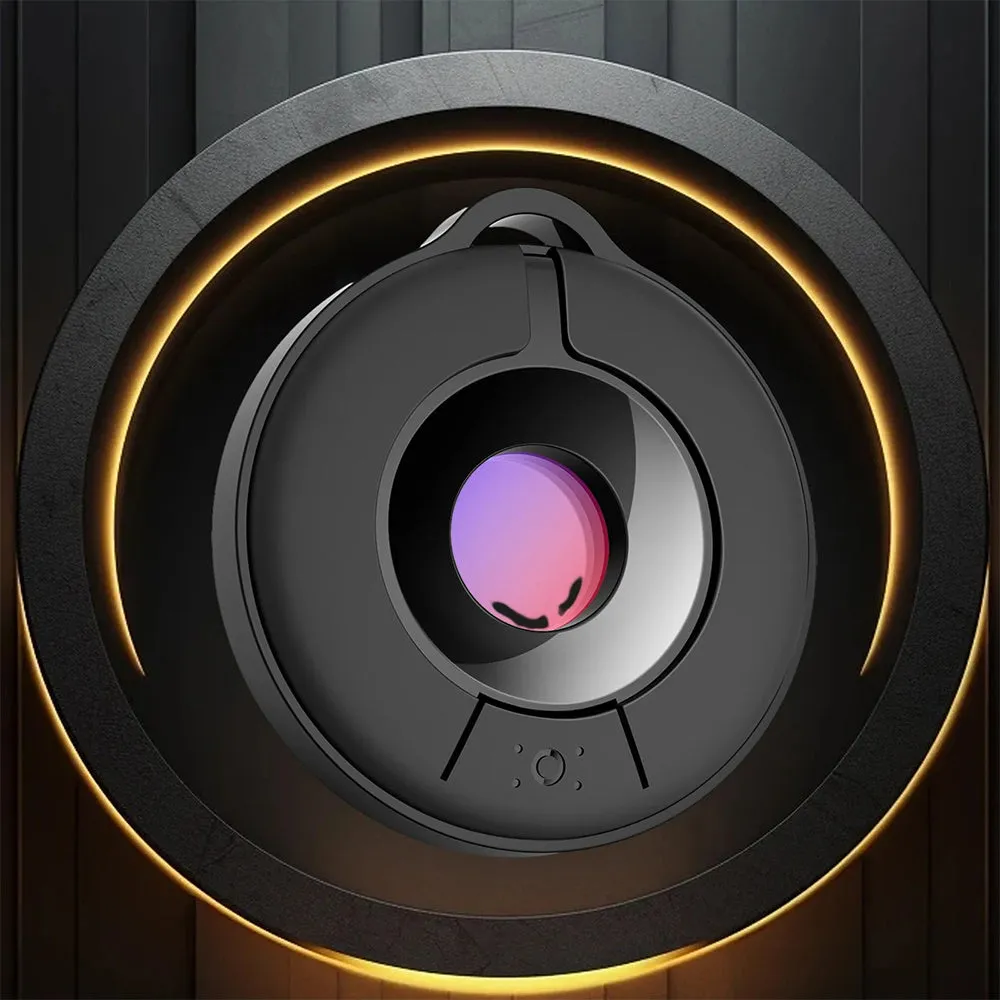
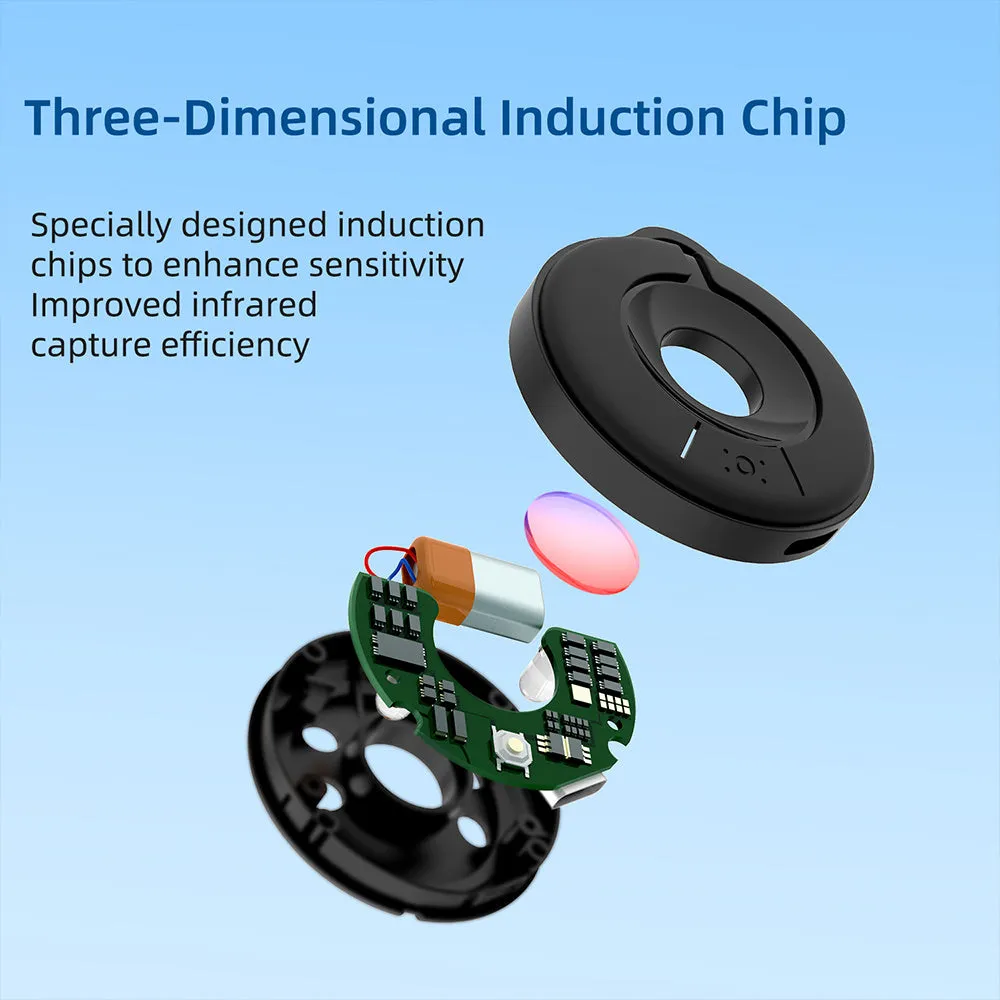
The core function of this device is its scanning mechanism, which combines infrared emission with a specialised filtering lens. This system is designed to make camera lenses appear as conspicuous bright spots within the detector's viewfinder or display, flagging them for further investigation. The physical build is noted for being small and sleek, prioritising discreet portability over bulky instrumentation.
Material and Build
While specific construction materials are not detailed, the source text emphasises a compact and minimalist design philosophy. This suggests a focus on a lightweight, handheld form factor that is easy to carry and store. The design intent appears to be practical, favouring straightforward functionality and ease of transport for the user.
Size and Practical Fit
The product is explicitly described as compact, which implies it is designed to fit comfortably in a hand, pocket, or bag. This portability is a key practical feature, enabling users to have the detector readily available for use in multiple locations, from travel accommodations to rented spaces or sensitive work environments where covert surveillance is a concern.
Uses and Placement

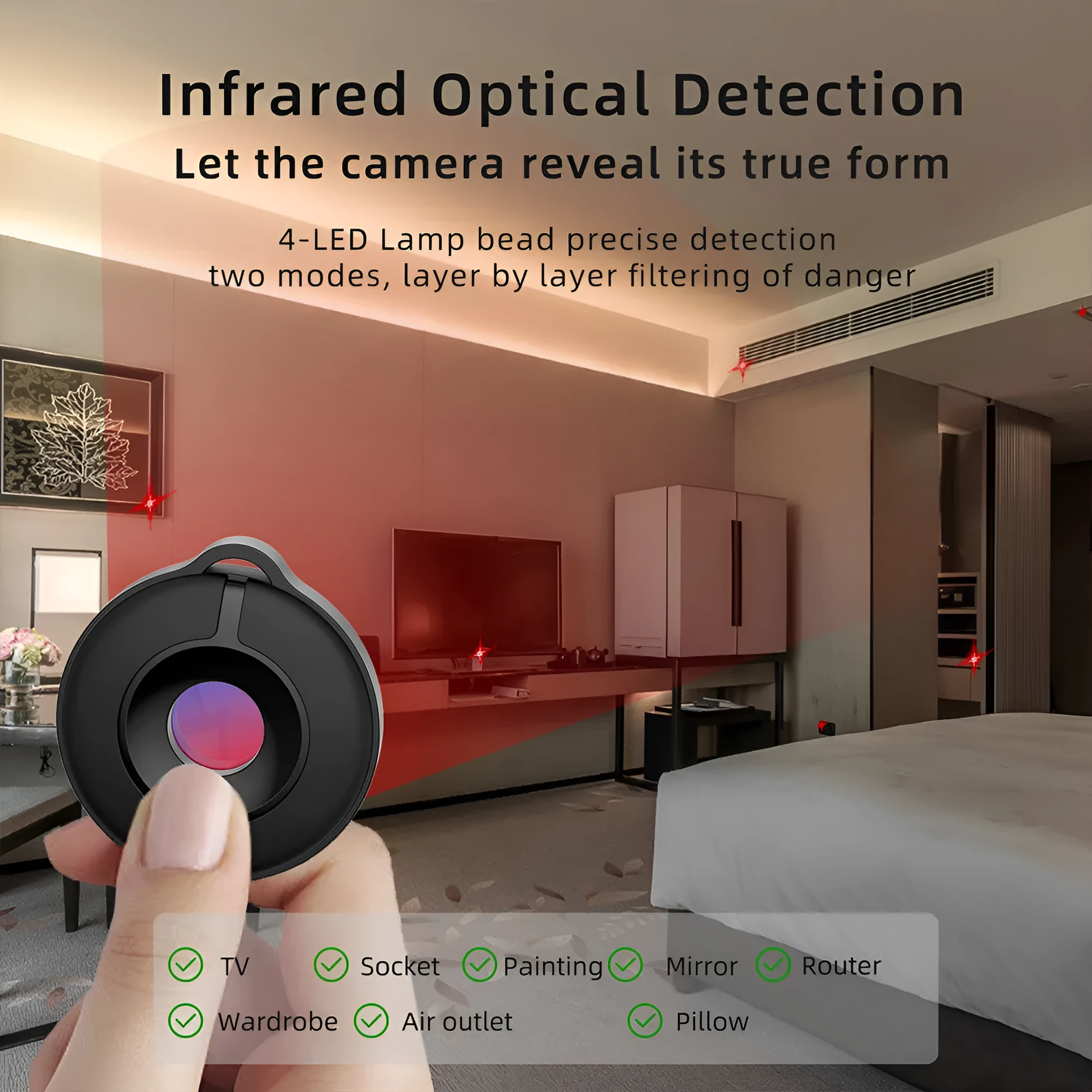
The primary application for this detector is identifying unauthorised covert cameras. It is suited for scenarios where visual inspection alone is insufficient, particularly in spaces where cameras might be hidden within everyday objects, behind mirrors, or in low-light corners.
Event or Professional Use
For professionals in security, executive protection, or corporate risk management, this tool offers a quick method for sweeping meeting rooms, confidential discussion areas, or temporary lodgings. Its 5-metre range allows for a preliminary scan of an entire room from a central position, efficiently narrowing down areas that require closer, more thorough physical inspection.
Everyday Home Use
For personal and residential use, it provides peace of mind when staying in short-term rentals, using shared changing facilities, or for homeowners wishing to audit their own property. The simple operation makes it accessible for non-technical users who want a direct way to check for privacy intrusions without relying on external services.
Benefits and Buying Value
The value of this detector lies in its specific function and practical design. It provides a focused solution for a defined privacy concern, with clear operational parameters and a user-centric design.
Reuse and Low Maintenance
The device is designed for repeated use across different locations and scenarios. With no mentioned consumables or complex calibration needs, maintenance appears minimal, centred around battery management (implied by the power button) and following the provided usage guidance for optimal performance in low-light conditions.
Why Choose This Product
This camera detector is a match for users seeking a dedicated, portable tool for detecting hidden cameras. Its stated 5-metre infrared detection range and straightforward, one-button operation are its concrete differentiators. It avoids complex features in favour of executing its core task—transforming an invisible threat into a visible indicator—with a design that prioritises ease of carrying and use.