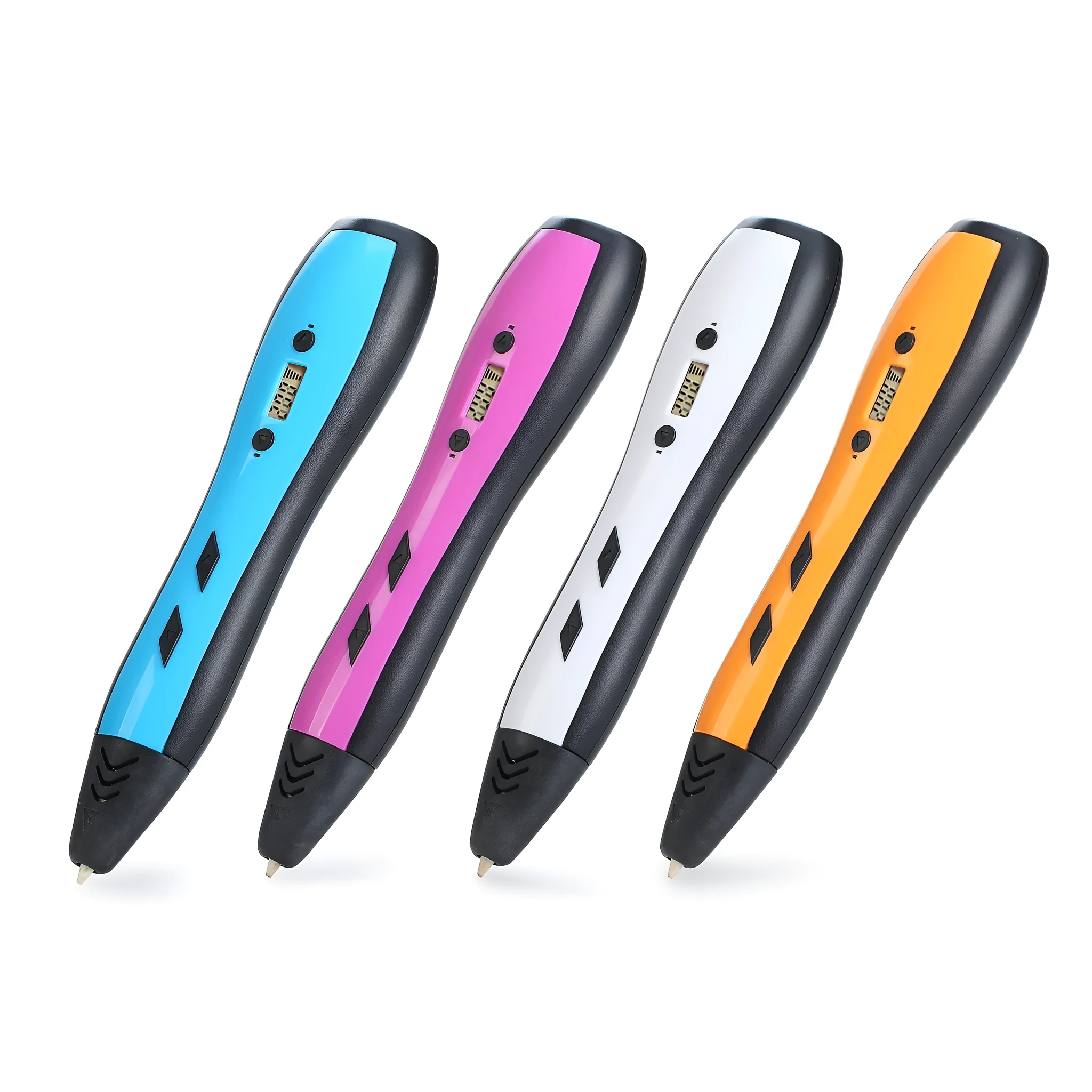
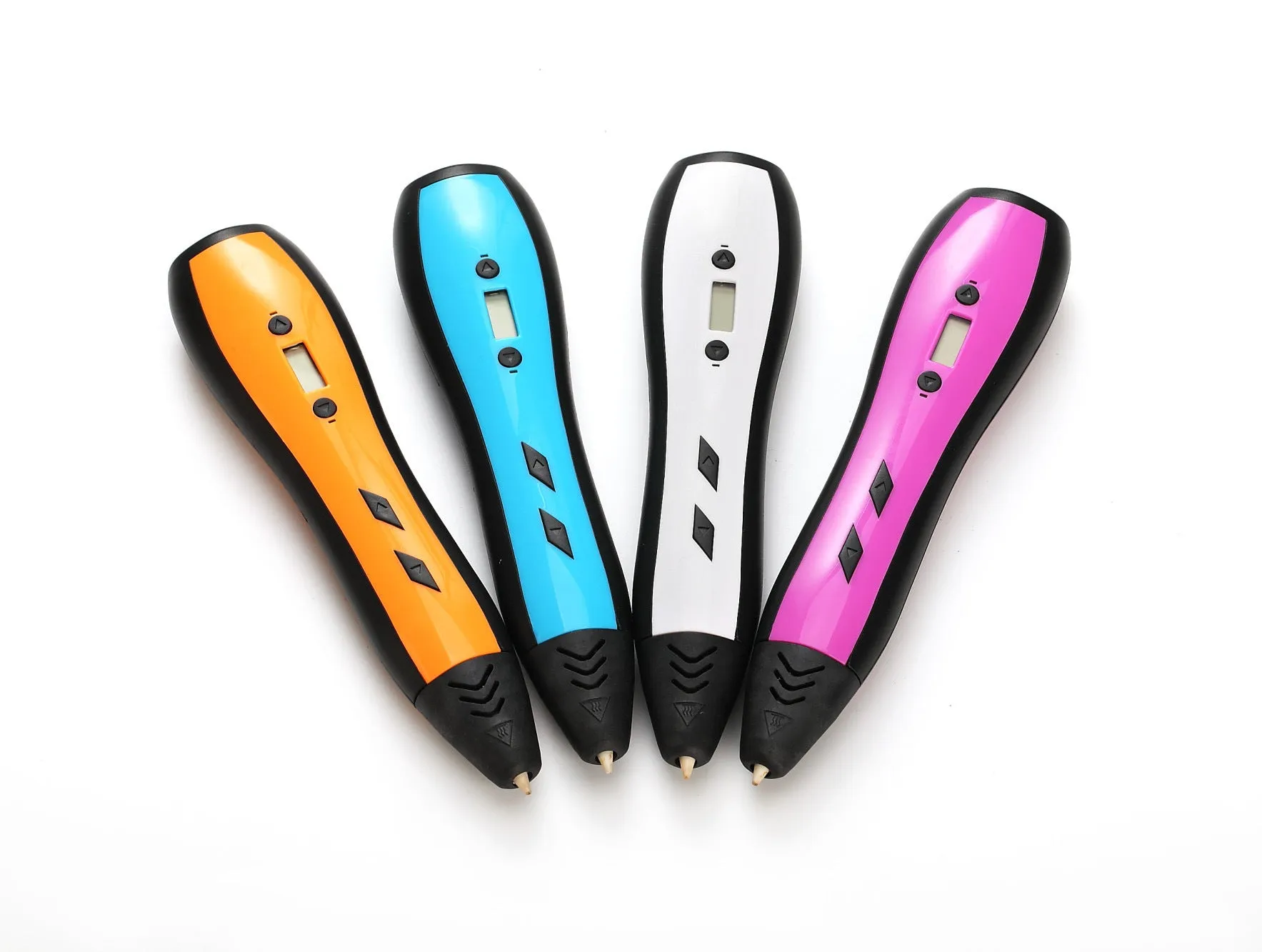
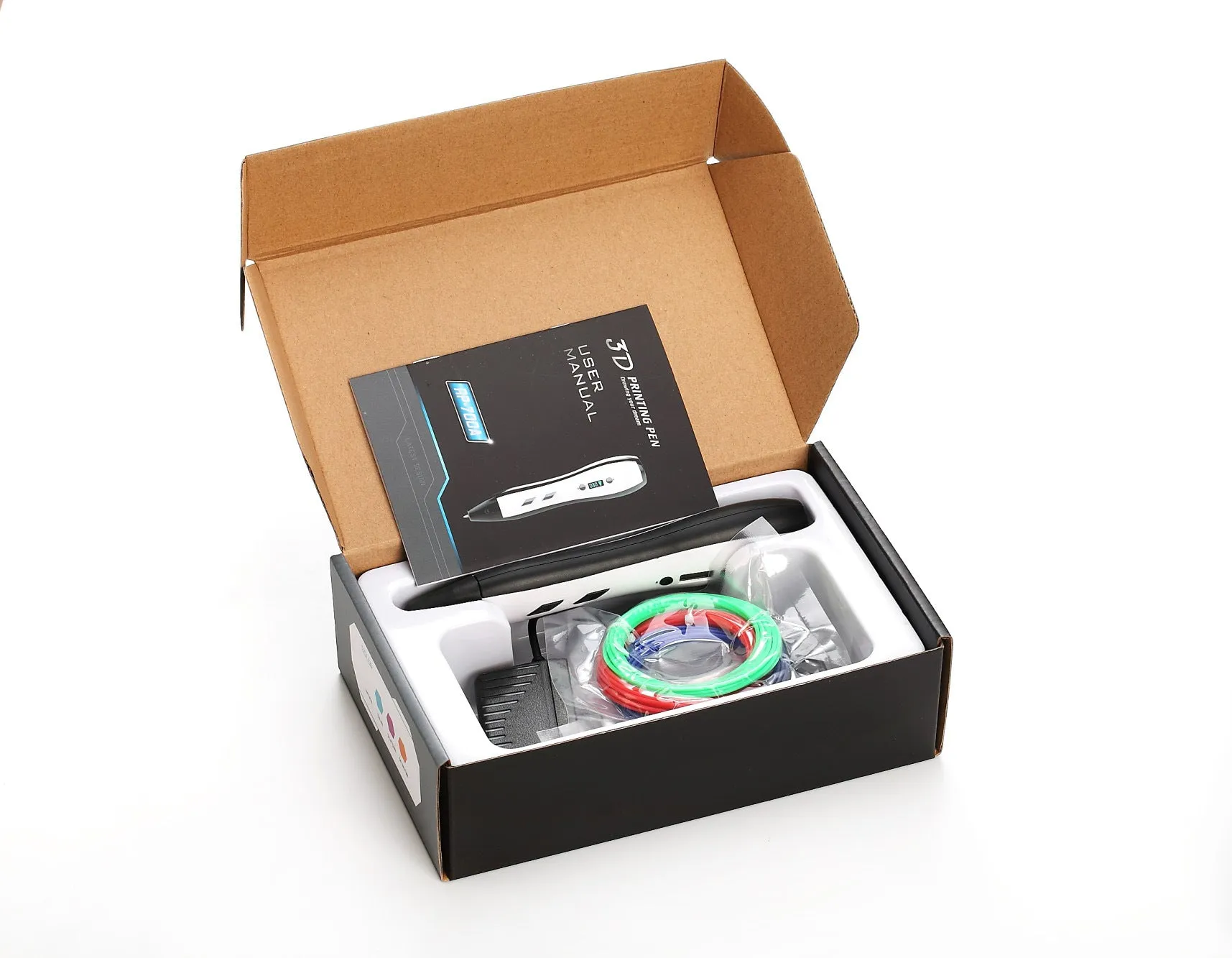
3D Printing Pen for Children with LCD Screen, 130-230℃ Adjustable Temperature, 6 Speed Options, 0.7mm Ceramic Nozzle, 1.75mm ABS/PLA, 65g Lightweight, Blue/Orange/Purple/White


3D Printing Pen for Children with LCD Screen, 130-230℃ Adjustable Temperature, 6 Speed Options, 0.7mm Ceramic Nozzle, 1.75mm ABS/PLA, 65g Lightweight, Blue/Orange/Purple/White
3D Printing Pen for Children with Adjustable Temperature and Speed
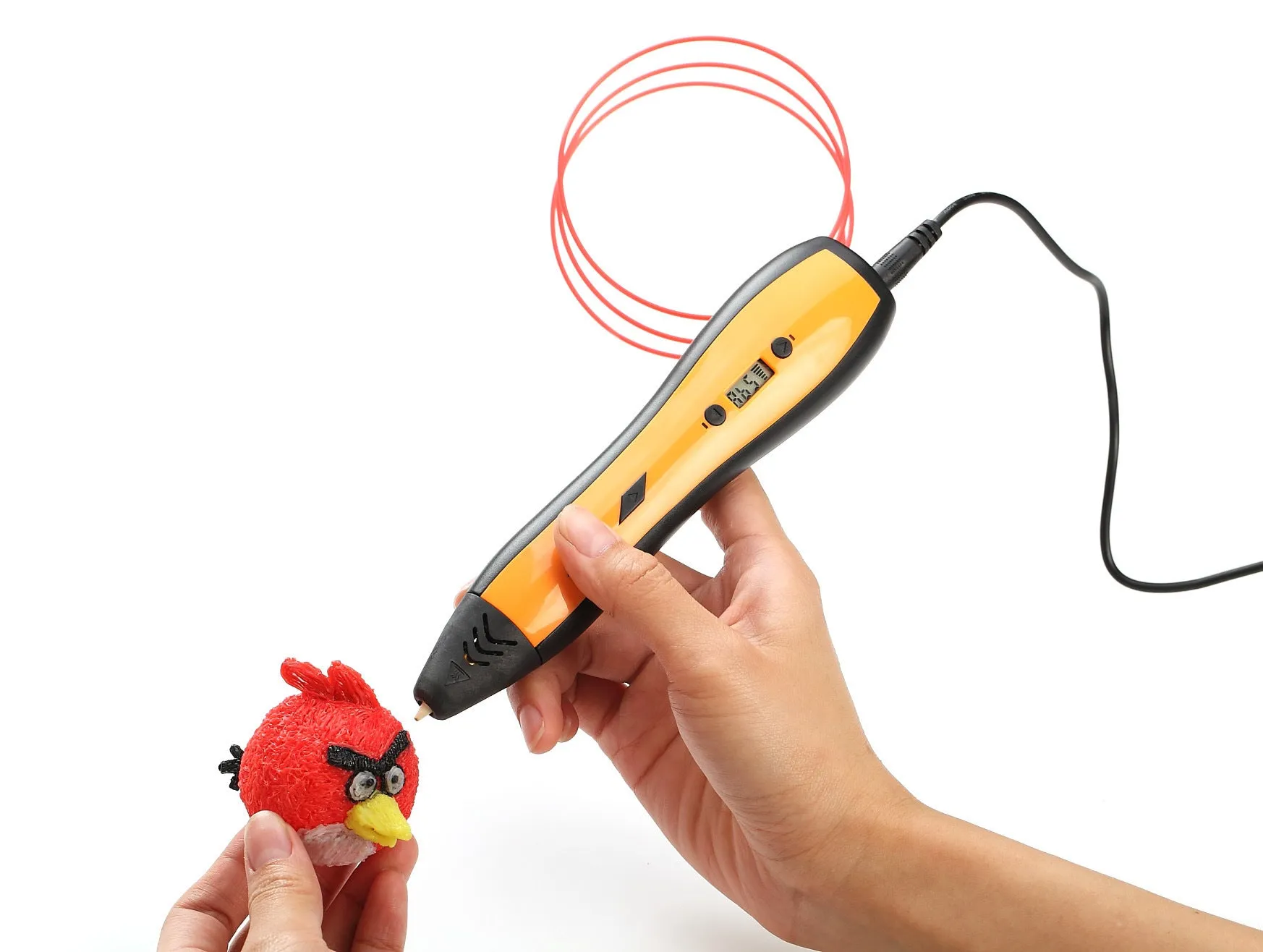
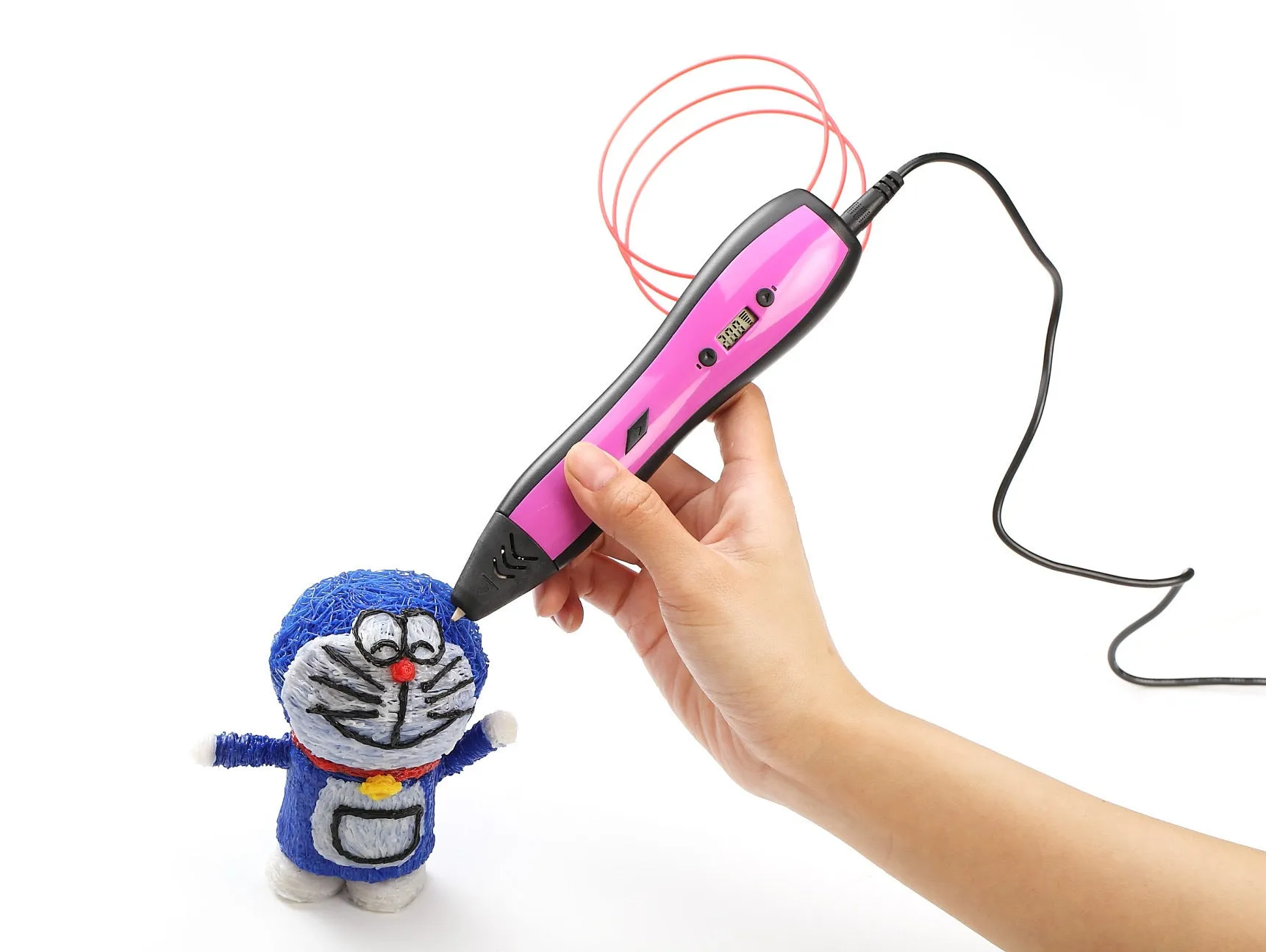
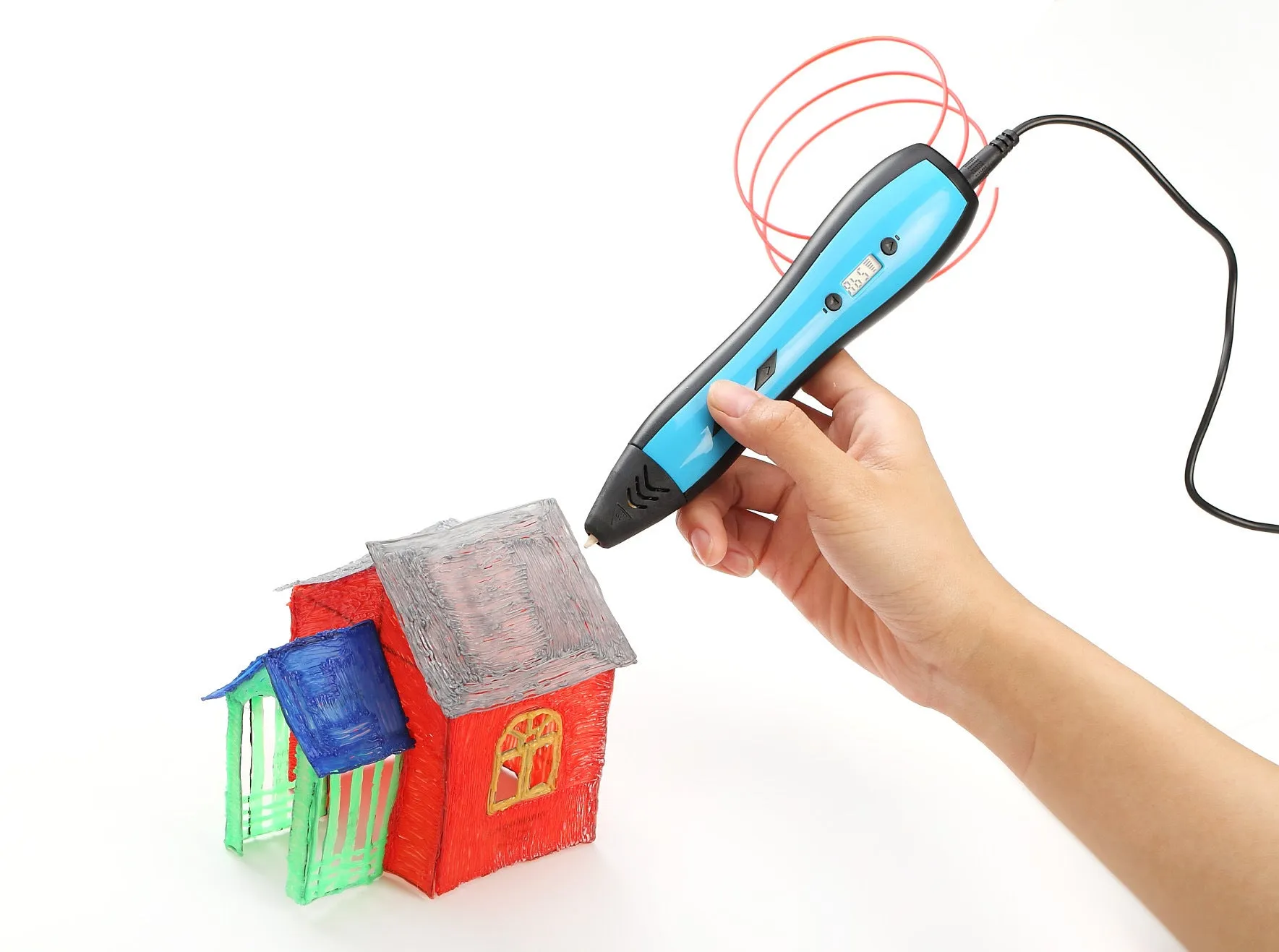
This 3D printing pen gives children a hands-on way to turn digital designs into physical objects. Unlike traditional drawing tools, it extrudes melted plastic filament that hardens quickly, allowing young users to create three-dimensional shapes, decorations, and models. The pen is lightweight at 65g and sized at 188 by 42 by 29mm, making it suitable for small hands to control. It works with standard 1.75mm ABS or PLA filament, both of which are widely available. The LCD screen clearly shows the current temperature setting, and the key controls make adjustments straightforward. This pen supports six different speed options, so children can choose a slower pace for detailed work or a faster flow for filling larger areas.
Features and Construction
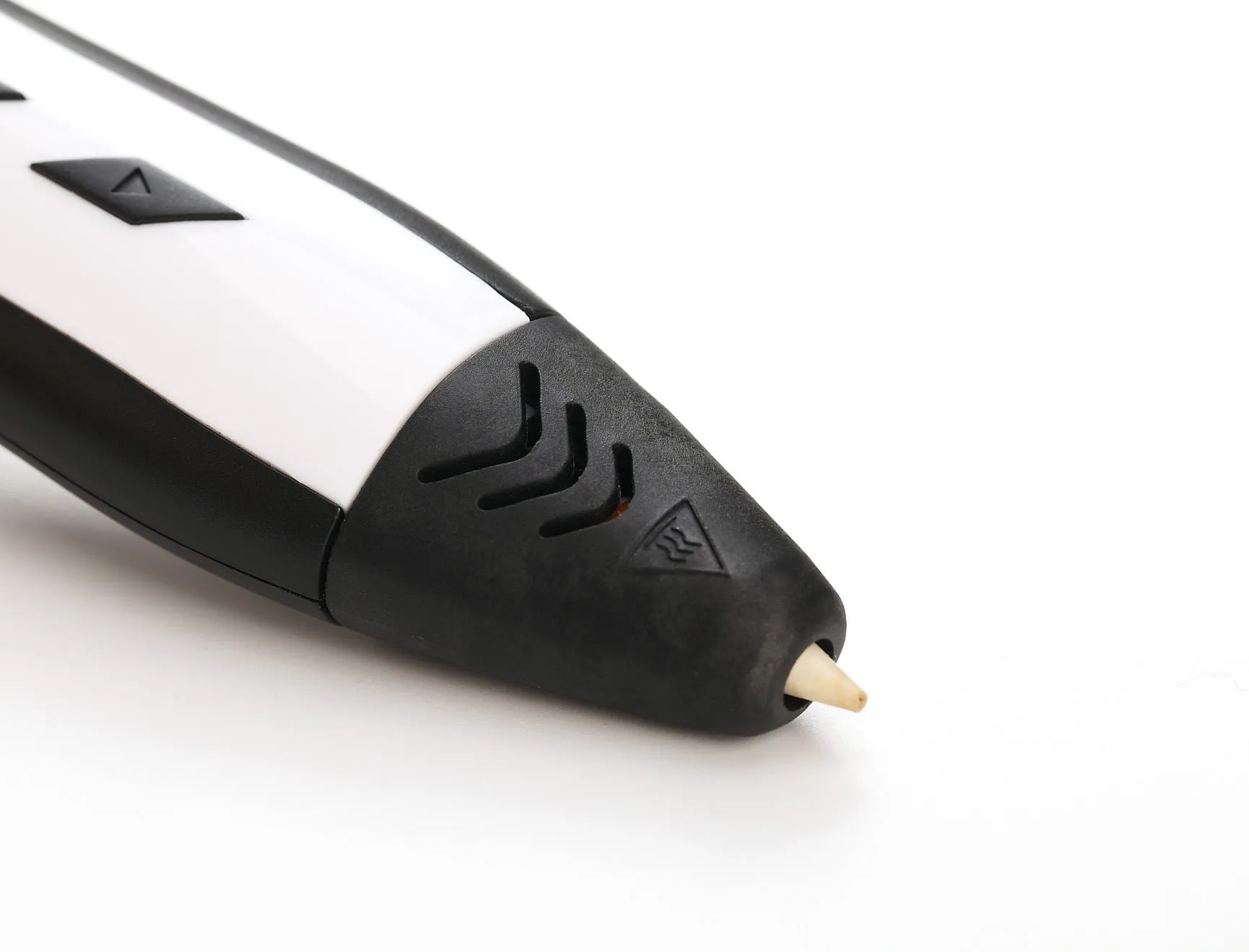
The pen is built to be simple and safe for younger users, with materials and components chosen for reliability. The body is plastic, keeping the overall weight low. The nozzle is made from ceramic, which handles high temperatures without degrading. The filament path is designed to minimise jams, and the 0.7mm nozzle diameter provides a fine enough line for intricate shapes while still being robust enough for beginners.
Material and Build
The pen body is plastic, chosen for its light weight so children can hold it comfortably for longer periods. The ceramic nozzle has a diameter of 0.7mm and withstands temperatures up to 230°C without warping. The internal heating element is controlled by the LCD interface, giving real-time feedback on the selected temperature. The power input is DC9V at 2A, which is standard for many small electronic devices.
Size and Practical Fit
The dimensions of 188 by 42 by 29mm make this pen compact enough to store in a drawer or pencil case. At 65g, it is lighter than many mobile phones, reducing hand fatigue during extended use. The ergonomic shape is straightforward, with buttons placed for easy thumb access. The 1.75mm filament size is the most common standard, so refills are easy to find in many colours and brands.
Uses and Placement
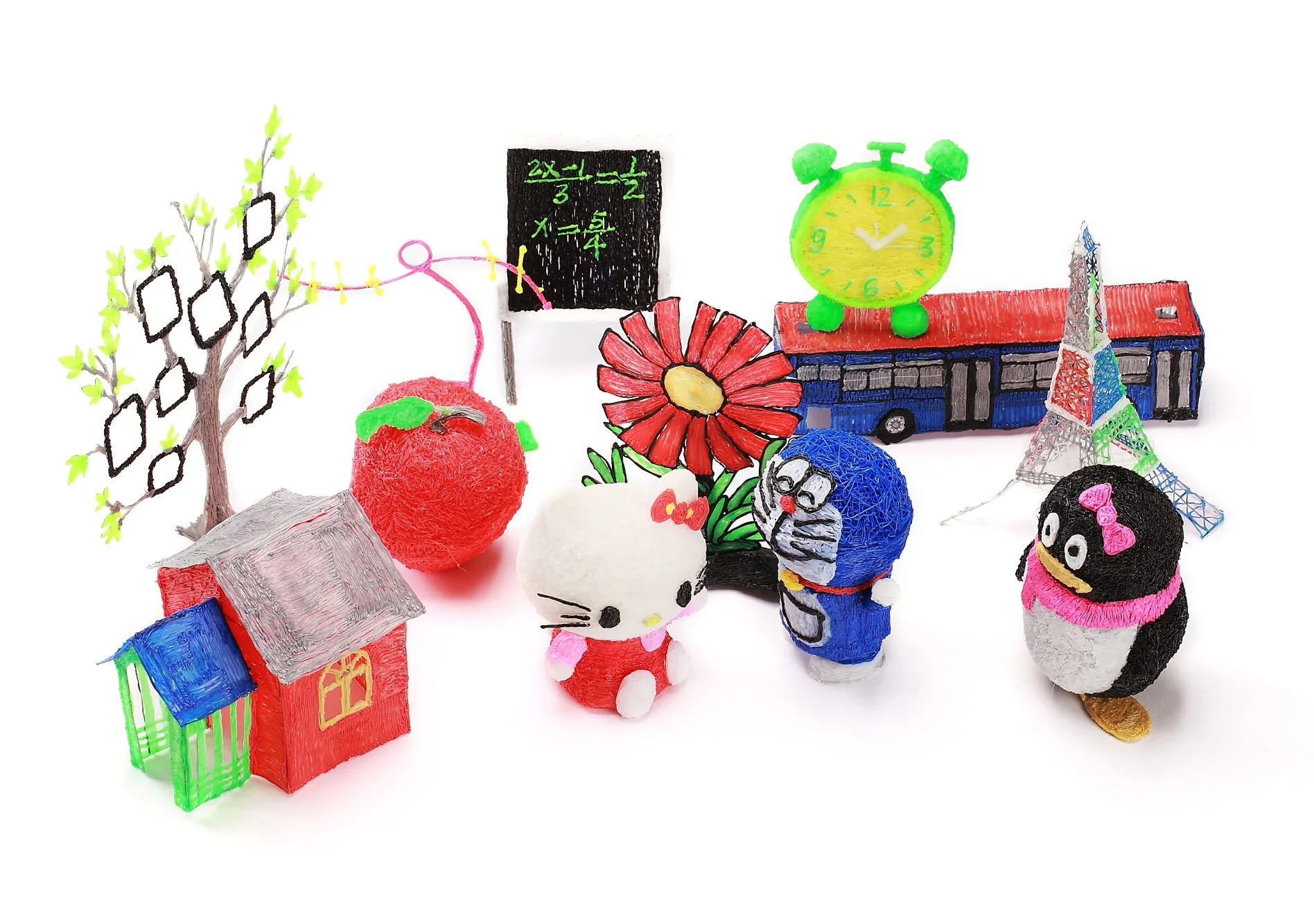
This pen is suited for a range of creative projects, from simple keychains to small sculptures. It works on flat surfaces or in freehand 3D drawing mode. Because it uses ABS and PLA filaments, the finished objects can be painted or sanded if desired. The pen is especially useful for educational settings where children can learn about spatial reasoning and design.
Event or Professional Use
In classrooms or workshops, the pen can be used to demonstrate 3D printing concepts without the cost and time of a full-sized printer. Teachers can set up stations where children create name tags, small toys, or models of geometric shapes. The six speed options let instructors adjust the flow rate for different skill levels. The LCD screen helps users confirm settings quickly.
Everyday Home Use
At home, children can repair broken plastic parts, customise their belongings, or make gifts. The low melting point of PLA (190°C) means it emits minimal odour compared to some other filaments. The pen works with a standard UK power socket when using the UK plug variant. Parents can supervise initial use and then let older children work independently.
Benefits and Buying Value
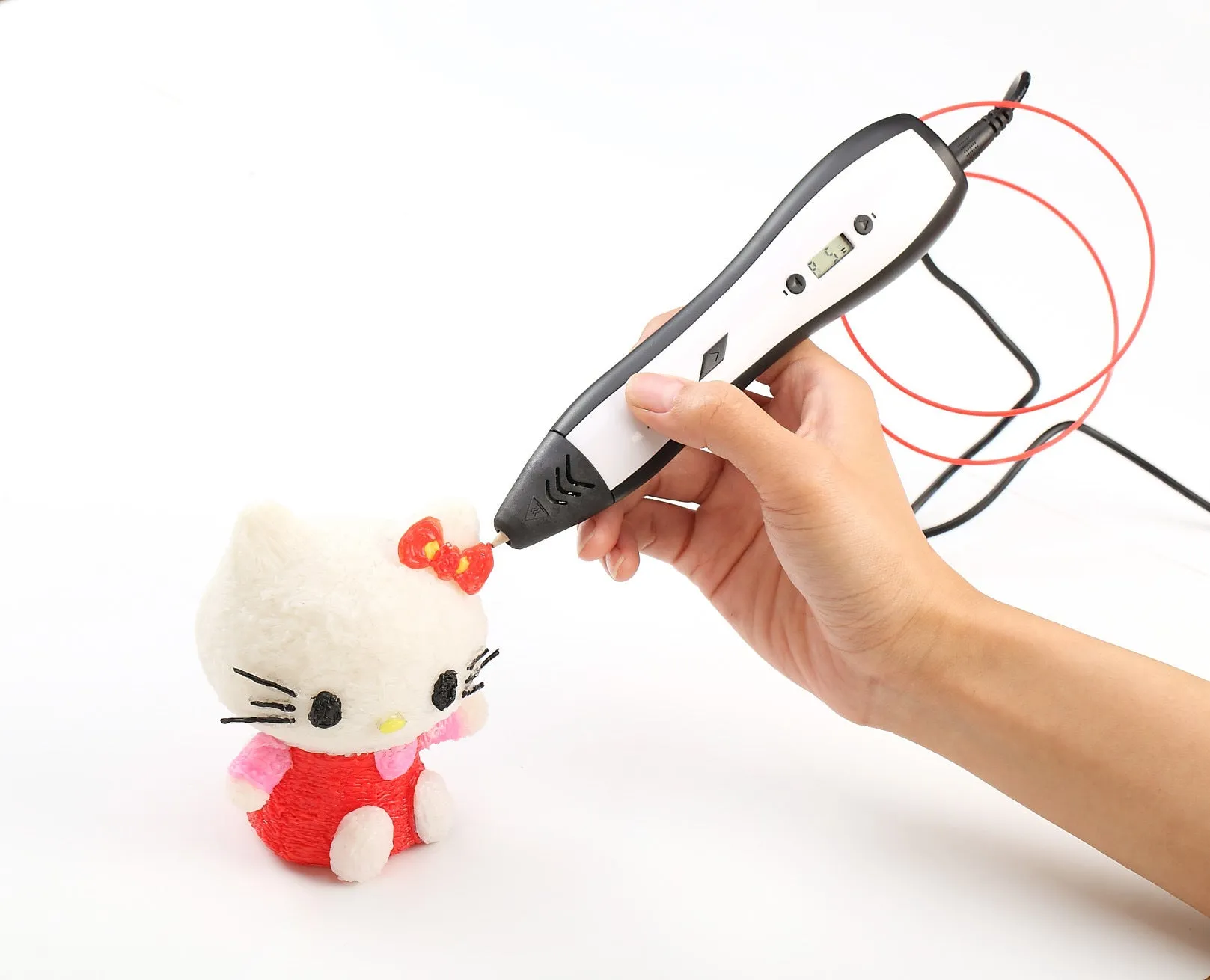
This pen offers a practical way to introduce 3D creation without the complexity of software or large machines. Its adjustable temperature and speed give flexibility across different projects and filament types. The ceramic nozzle and plastic body keep the cost affordable while still delivering consistent performance.
Reuse and Low Maintenance
The ceramic nozzle is resistant to clogging and can be cleaned easily by running a short length of filament through at a high temperature. The pen has no moving parts that require lubrication. If a jam occurs, the nozzle can be heated to soften the material for removal. The plastic body wipes clean with a damp cloth.
Why Choose This Product
Compared to more expensive 3D pens with metal nozzles or complex software, this model focuses on simplicity and reliability. The LCD screen provides clear feedback, and the six speed options are enough for most children's projects. The wide temperature range supports both ABS and PLA, giving users choice in material properties. The compact size and light weight make it easy to take to school or on trips.